

Background
When I facilitate a workshop today, what becomes visible in the room has 25 years of backstory. It took me a long time to understand the dividing line between projects that simply succeed and projects that grind. It rarely comes down to the capability of the people involved. It comes down to what was left unsaid before the project began.
My career is a sequence of stations where exactly that line became sharper. At Accenture: consulting without methodology becomes activity for activity's sake. At Oracle, as project lead for Oracle Financials, a project where after eight months it became clear that the client's business team and we had two different systems in our heads. Both sides without noticing. At Netscape, in the internet backend business, the other side of the line: when a team works from a shared „picture", it builds the first customizable portals and the first web-mail services at a speed no meeting marathon can match.
After Netscape was sold to Sun Microsystems, I moved with part of the team into an American start-up for location-based services. In 2000 that was closer to a science fair than a market. Triangulation between mobile network nodes instead of GPS, no meaningful consumer data. We knew the topic would come. The technology was at least five years too early.
After that I led the European software rollout for an American company in the call-center space. Many locations, many miles, a recurring pattern: where the briefing between headquarters and local teams stayed unclear, the rollout turned into a crisis project.
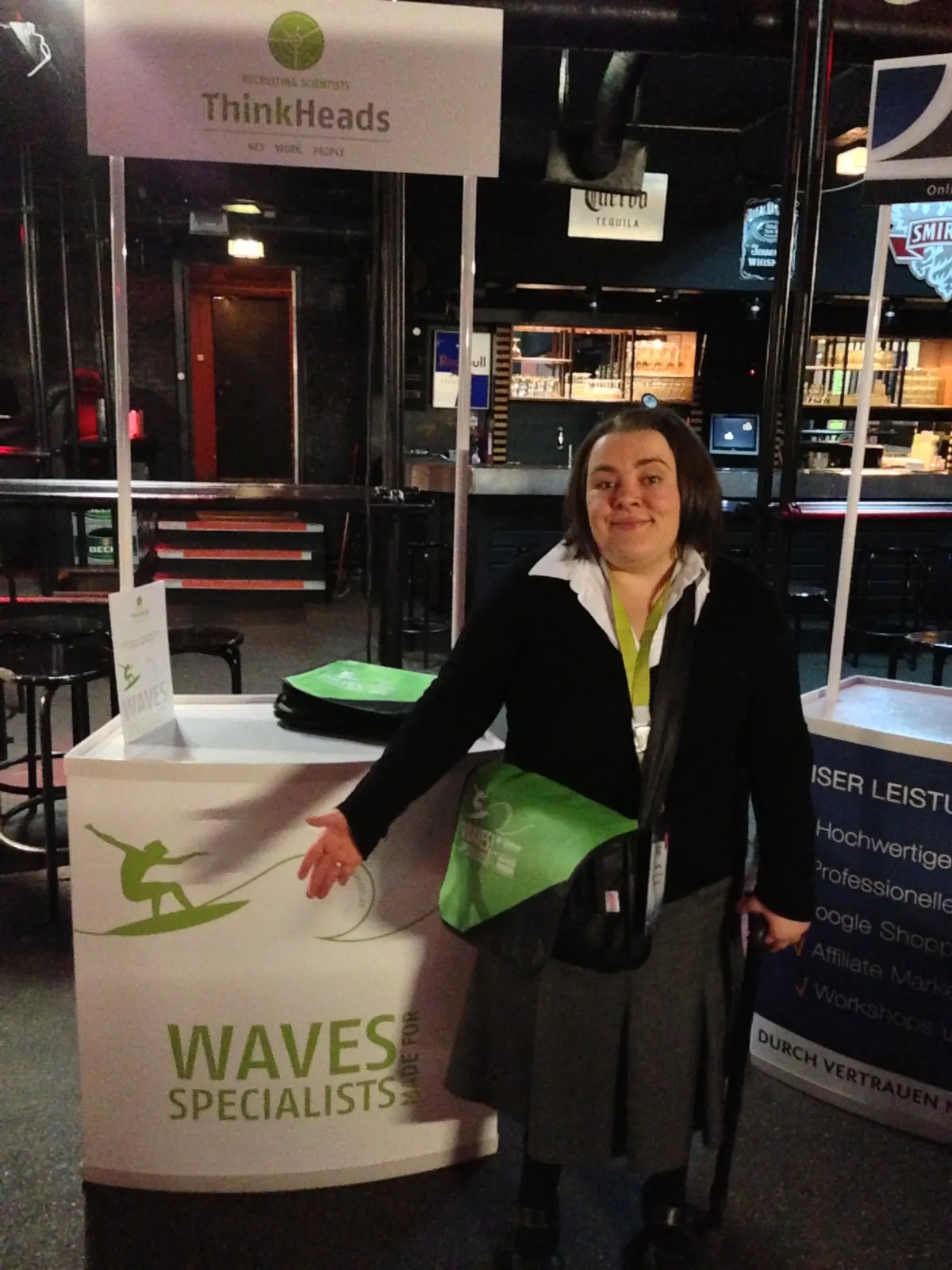
In 2005 I was looking for a new job and instead received an offer to join an executive search firm. By temperament I am an advisor, not a salesperson. Despite that (or precisely because of that), it worked. In 2010 I founded HireWorks, then under the name ThinkHeads. I have always had a weakness for English names.
What interested me in executive search from the start was not the placement. It was the question before that: what is this role, actually? Understanding the „core" means, for me, reading the client's business, the market, the organizational form, and the culture. Culture as the answer to: who decides what, on what basis, in which formats? And then into the role itself: where does pressure come from, who decides, where are the risks and the potential, what defines success, and who measures it, when, and how?
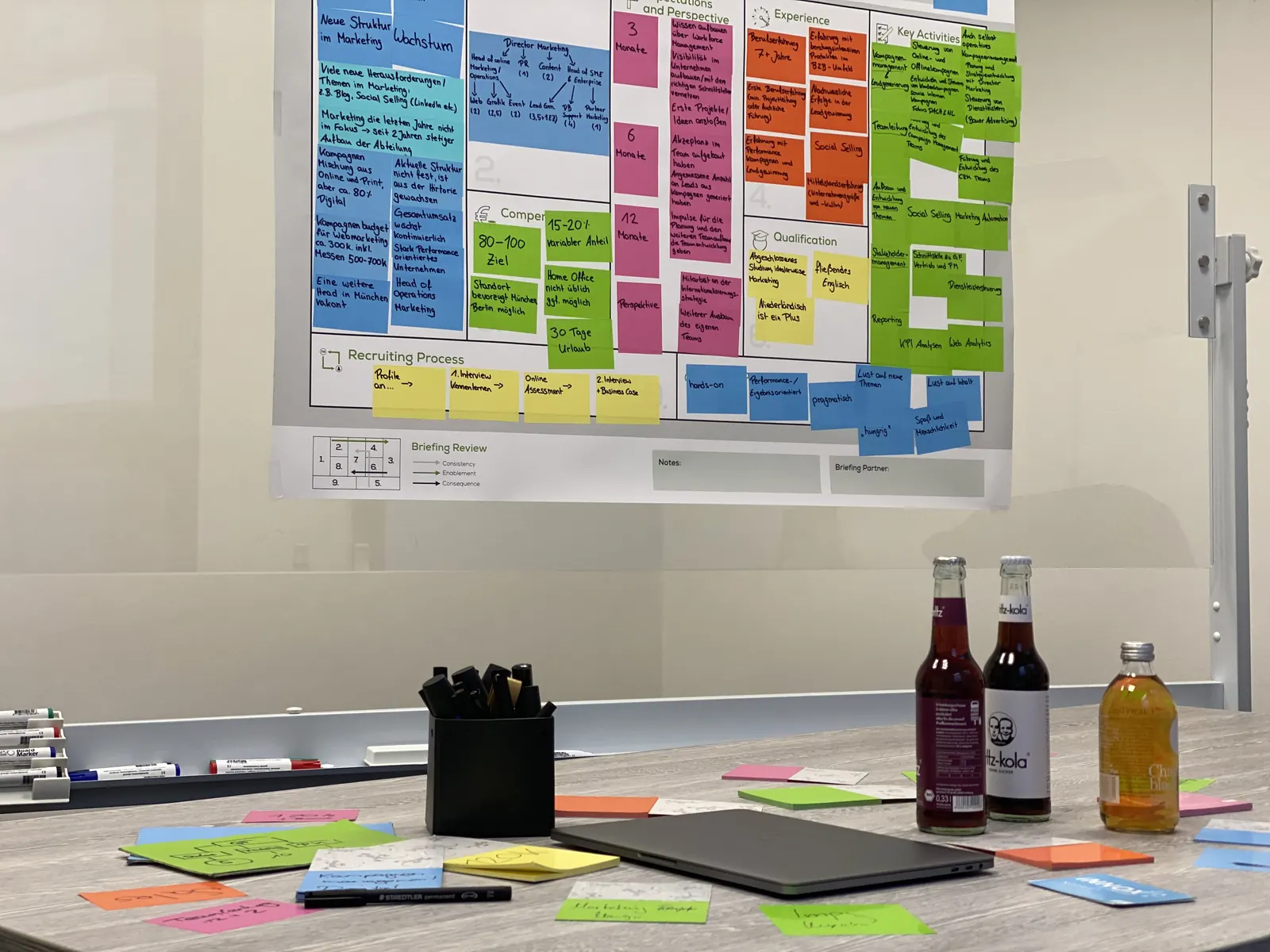
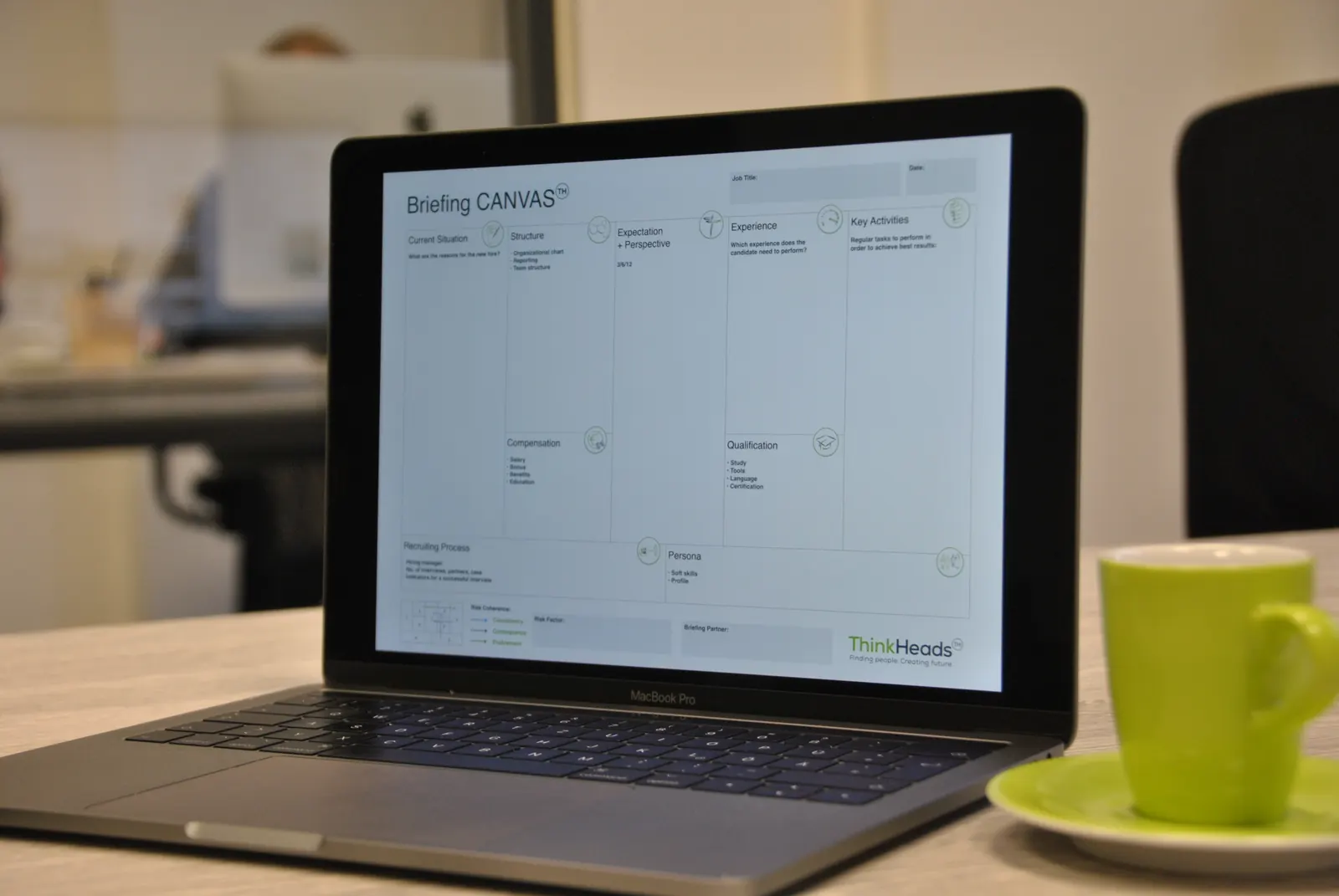
Out of the work with many clients, and exactly these questions, my colleague Susann Klebig-Noesch developed the Recruiting Canvas. A visual format, inspired by the Business Model Canvas. Three things carried it. First: a „picture" instead of a question-and-answer briefing with all its pitfalls. Second: a systemic view. I was usually impatient; Susann reminded me that some answers need time. That turned out to be more valuable than I thought at the time. Third: an outcome-oriented view. Not: what are the tasks. But: what should this role bring about.
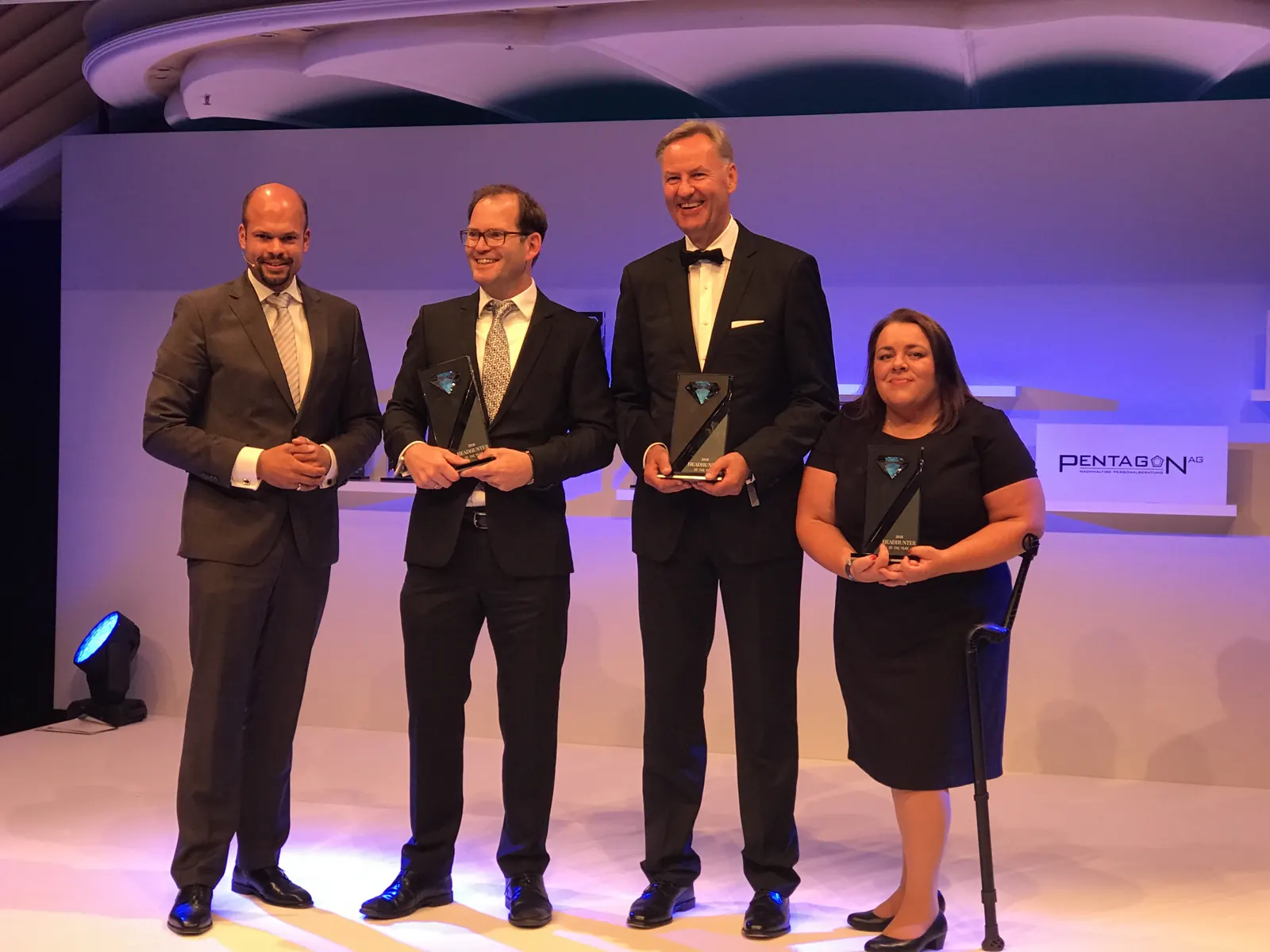
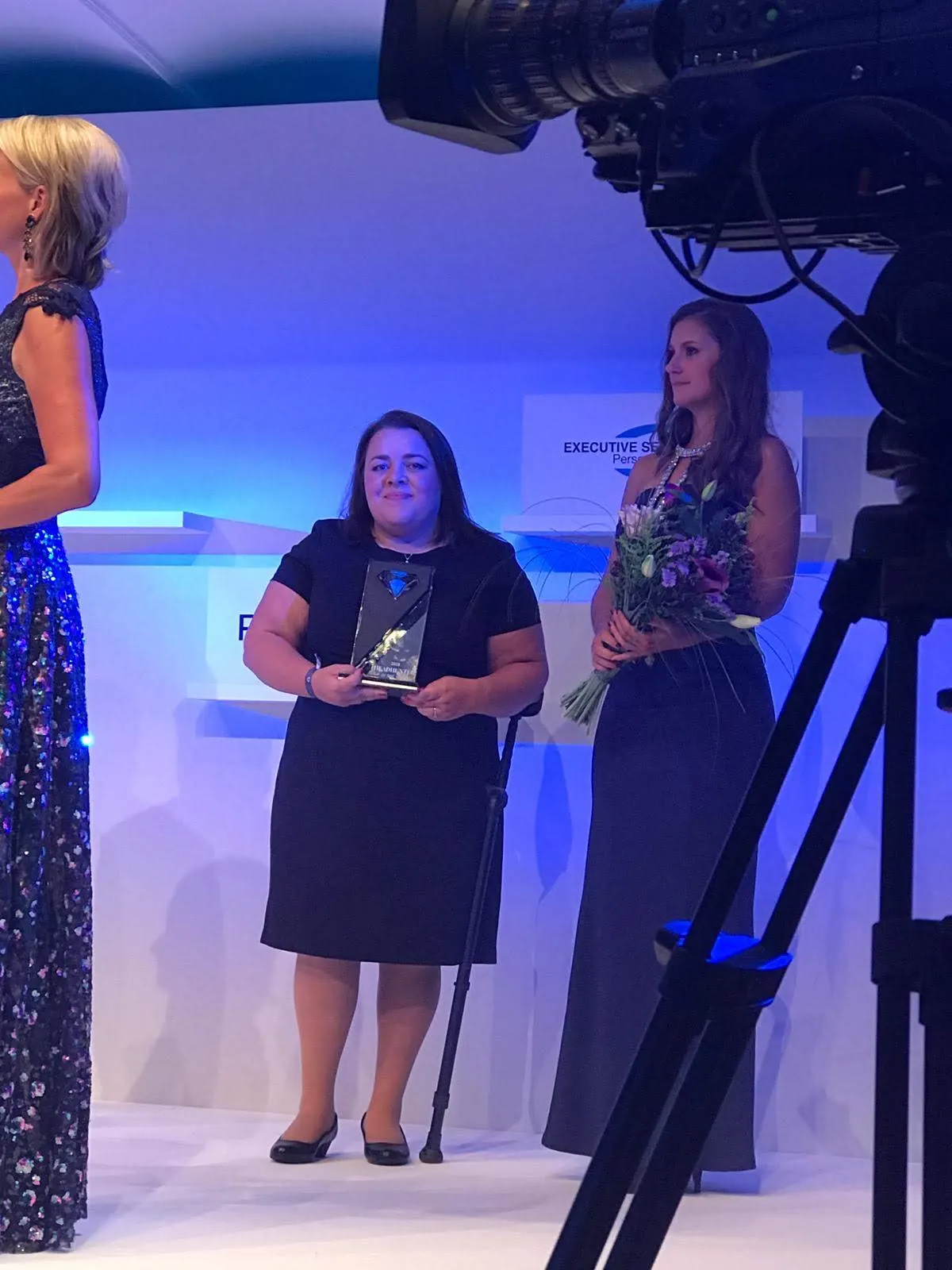
In 2018 we received the Innovation Award as Headhunter of the Year for the Recruiting Canvas. What that meant to us: what we had developed methodically was recognized from the outside as exactly that. The Recruiting Canvas evolved into the High-Impact Hiring Blueprint. HIHB. More deeply methodical, with clearer outcomes.
In parallel I co-founded JobID with a friend, funded by US business angels. We worked on a problem that had stayed with me since Oracle: why do people understand different things by the same words? JobID was a service layer for skill-based hiring with a normalized taxonomy. Activities, skills, expectations, and competencies in a shared language. In the user case: a job-seeker sees a role that matches 60 %, and at the same time sees which of their own skills are transferable and how far the path is. A number and a delta. That is something you can work with. More than anything: bringing light into the dark of job search electrified us. Title inflation, thousands of job portals, and nobody finds the role that really fits when the words don't fit. That is what we solved at JobID. The project is currently on hold until seed funding is in place.
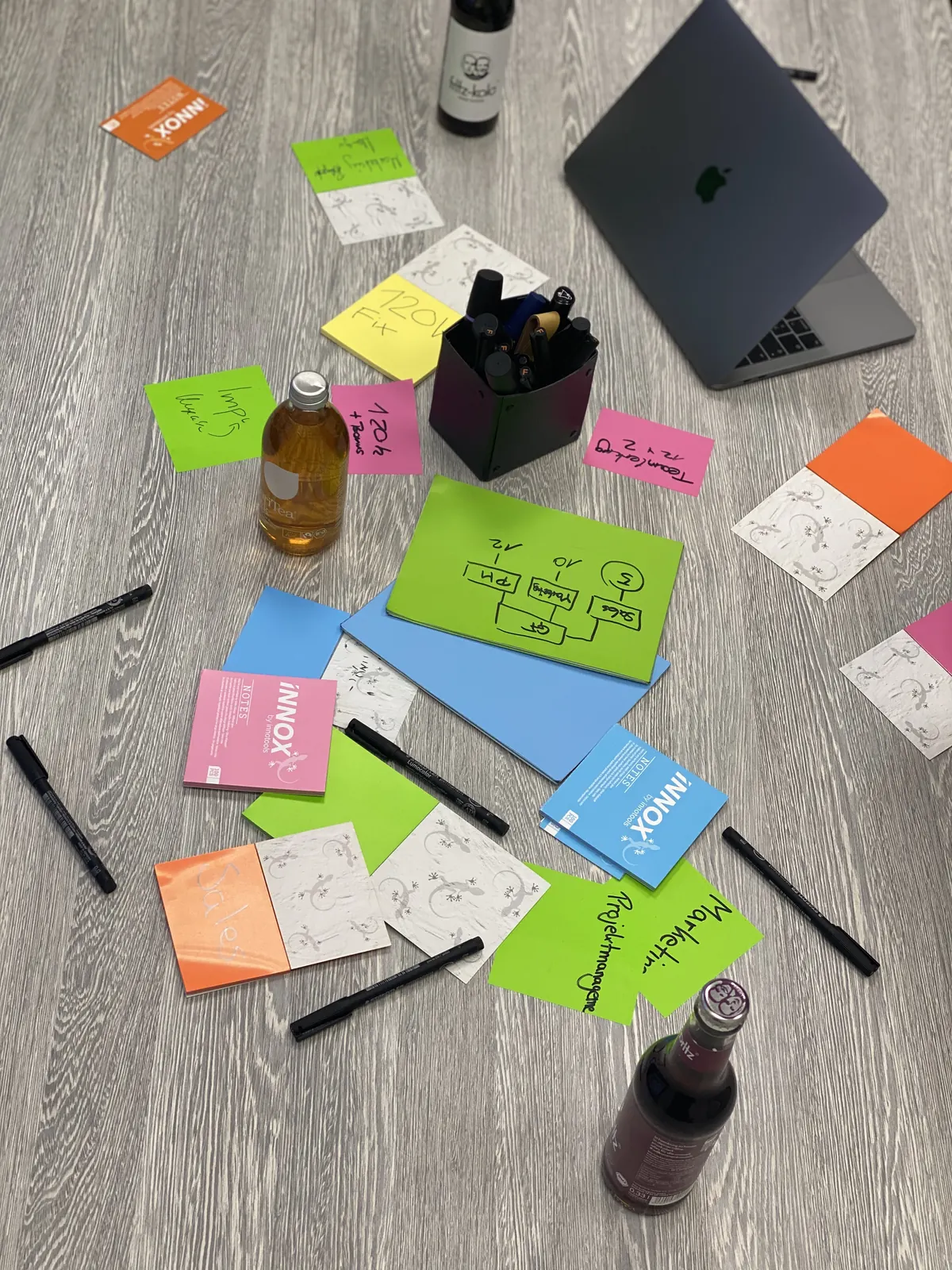
When I sit with a management team in an HIHB Workshop today, all of that is in the room. The requirements management from the software years, the systemic view from executive search, the data logic from JobID. What has not changed: the question before. What is this role, actually, who in this company knows it best, and how do we make that visible together?
Do you know the pattern? A role gets filled, and three months later it becomes obvious that the person should be able to do something different than the one described in the briefing.
25 years of backstory to the HIHB method
From requirements management at Oracle, backend speed at Netscape, market observation at JobID and 15 years of executive search came what is now the HIHB Workshop.

Have a concrete critical role on your desk? Fifteen minutes is enough for an honest read.
We talk for 15 minutes, no pitch. You leave knowing whether an HIHB Workshop pays off for you.
Book a 15-min fit call See all articles